Self-Framed Sign Wine Collectibles – The American Wine Company Circa 1900
Antique advertising wine collectibles from the late 1800’s and early 1900’s include signs made from metal, wood or cardboard. Other wine collectibles of interest are postcards, magazine ads, bottle labels and tin serving trays.
Etched wine glasses and wooden crates were also utilized at the early wineries to get their name out and are sought after by collectors. The very early advertising wine collectibles prior to the national Prohibition that started in 1920 still remains highly pursued and is considered valuable.
1900 New York White Tokay Wine Bottle Label
Wine companies would claim health benefits as a way to help improve their sales. Wine was advertised as a health cure for common ailments and this was especially vital during Prohibition when wine was legal only for medicinal purposes.
There was an increase in the number of customers requesting wine for their family members or for themselves during Prohibition to help with illnesses or other health issues.
Wine Production and Wineries
1906 Foster & Co. Wine Print Ad
Wine has been produced in the United States since the 1830’s and the U.S. is the fourth largest wine producing country in the world. Throughout the 19th century, as immigrants from Europe’s great wine regions arrived, many initially set up wineries in New York, Ohio and Missouri. After the westward movement and California Gold Rush, the increased population and warmer climates of California proved to be a better area to make wine. California now has 89% of the wine production in the U. S.
Brotherhood Winery is one of the oldest operating companies in the U.S. It’s located in New York and produced its first vintage in 1839. Another early wine producer was the American Wine Company from St. Louis, Missouri that produced Cook’s Imperial Champagne. The American Wine Company later merged with Korbel’s from California and the Cook’s name was discontinued. However, the original advertising for The American Wine Company is sought after.
1870’s Wine Ad Claimed it Saved Lives
Pleasant Valley Wine Co. in New York was founded in 1860 and invested in equipment to make sparkling wine during the Civil War. The winery had ads that claimed their Great Western Champagne and good nursing saved the lives of soldiers. Pleasant Valley Wine Co. is still open and operational today.
The national Prohibition impacted the wine industry from 1920 to 1933 because it was forbidden to make, sell or transport intoxicating liquors including wine. A loophole allowed people to make 200 gallons of non-intoxicating cider and fruit juice each year. The price for fresh grapes increased because of the high demand and a lack of refrigerated railroad cars to transport them. Some wineries survived by getting permits to make wine for medicinal purposes.
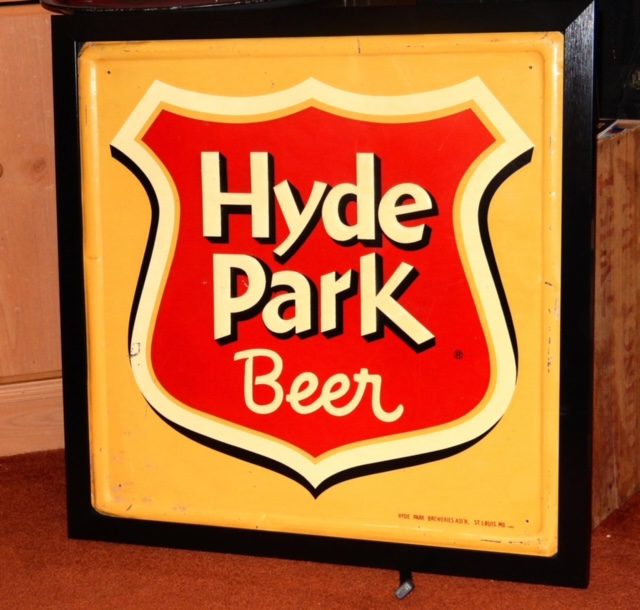
Featured is a nice tin sign from the Hyde Park Brewing Co. which was formally in the north side of the city of St. Louis, Missouri. This Hyde Park sign incorporated the breweries famous shield logo image. Circa 1940.
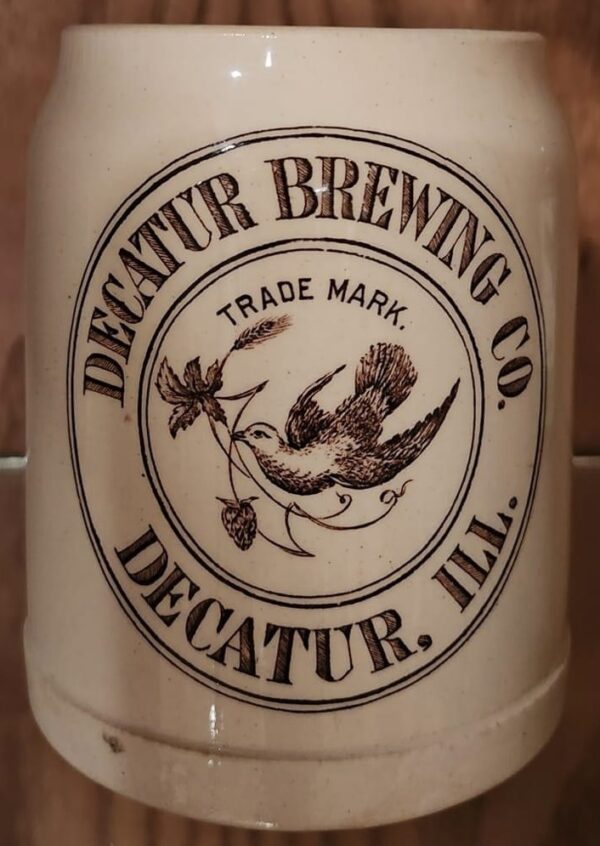
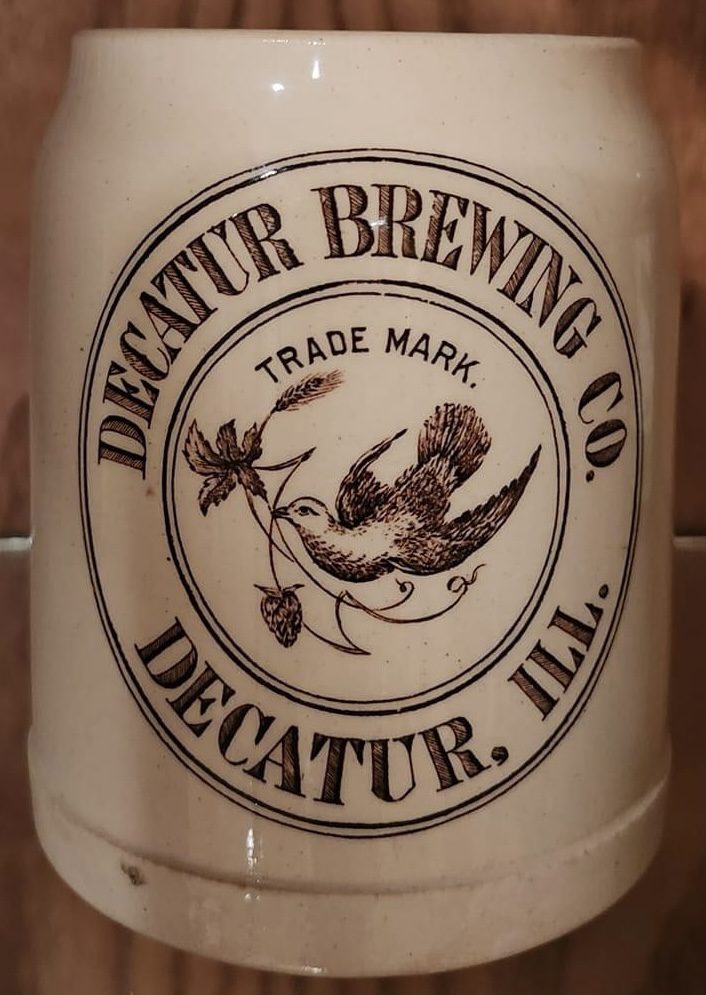
Here is a beautiful stoneware beer mug from the Decatur, Illinois Brewing Company from the pre-prohibition era. Unfortunately this brewery did not survive the start of prohibition.
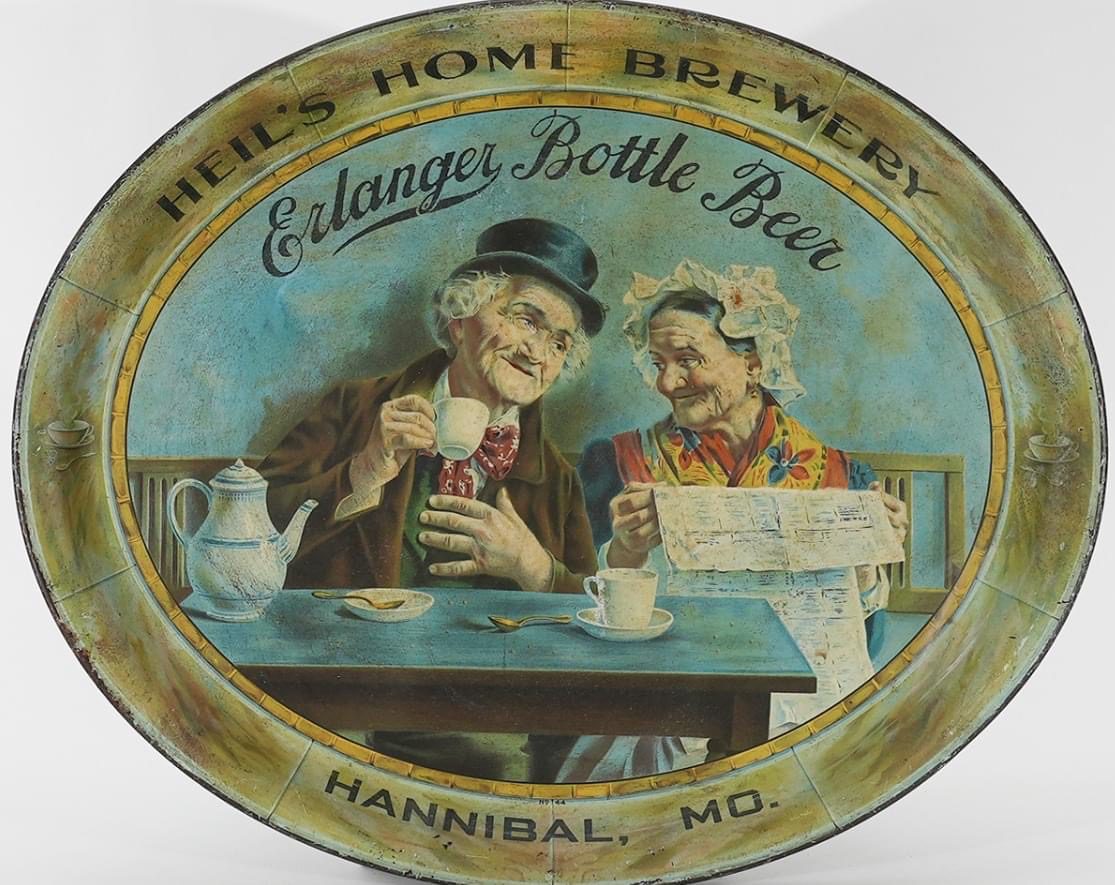
Here is a pre-prohibition era metal serving tray from the Heil Home Brewery in Hannibal, Missouri. This tray advertises their Erlanger brand of bottled beer.
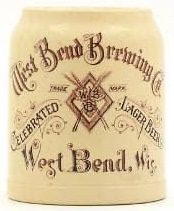
Featured is a nice stoneware souvenir or giveaway beer mug from the long defunct pre-prohibition era brewery in West Bend, Wisconsin. This mug advertises their celebrated lager style of beer.
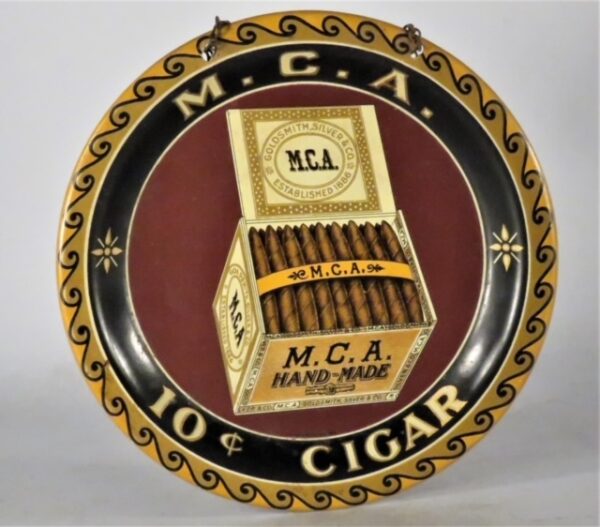
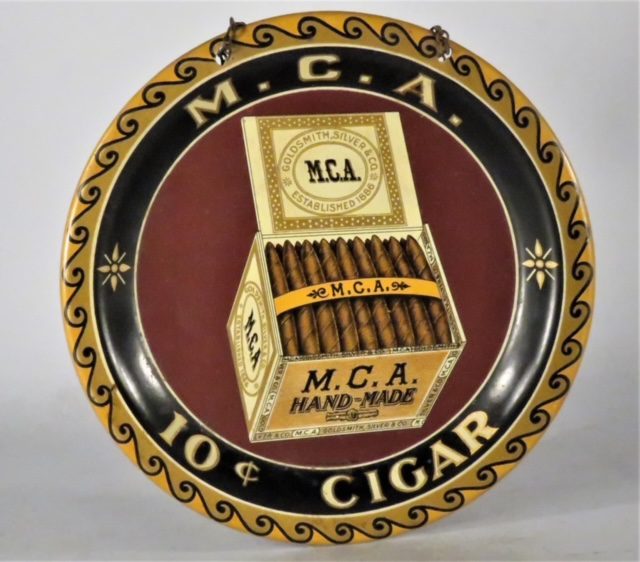
Featured is a beautifully illustrated cigar box full of cigars from the Goldsmith, Silver and Company for their M.C.A. brand of 10 cent cigars. This Boston, MA based company produced this small serving tray around 1900. I love the coloring, and the image of a ready to serve appeal full of very well defined cigars…
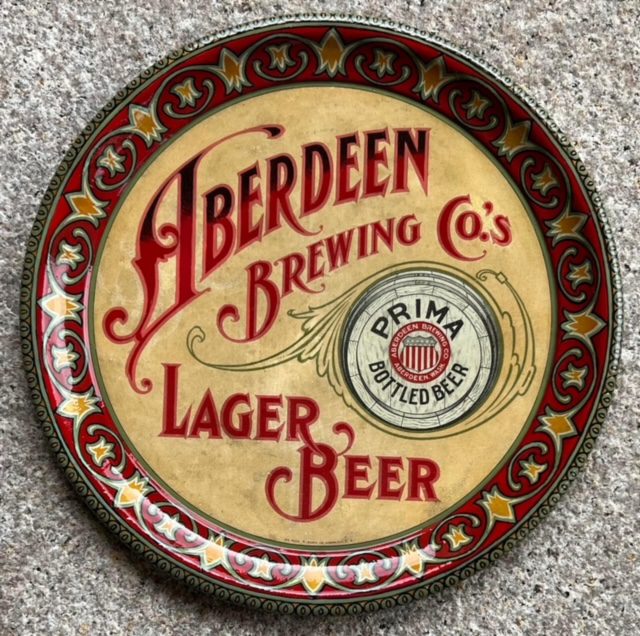
Here is a beautiful pre-prohibition era serving tray from the long defunct Aberdeen Washington brewery. This particular tray is colorful, and advertises proudly their Prima brand of bottled lager beer. The use of a nice patriotic USA colored shield helps provide more color and eye appeal. One of the fun facts about this brewery is…
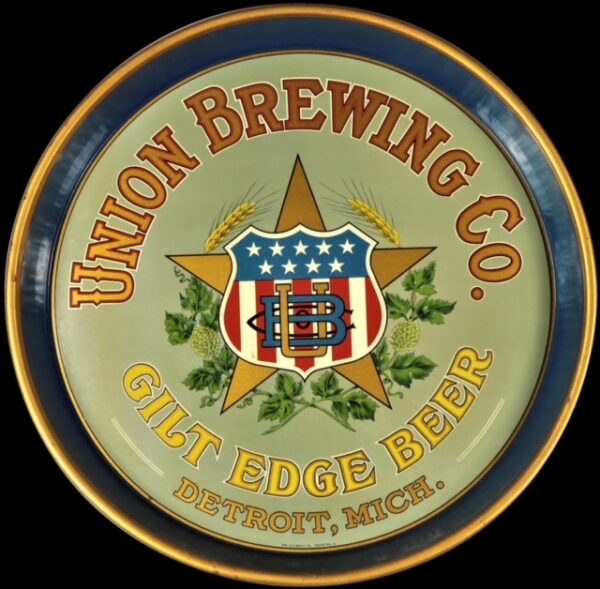
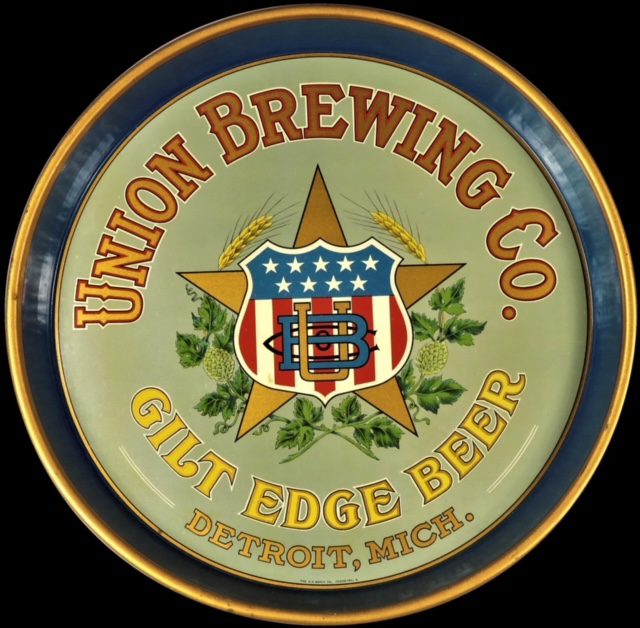
Featured is a stunning pre-prohibition serving tray from the Union Brewing Company out of Detroit, Michigan. This particular metal tavern or saloon tray advertised a well known turn of the century beer in Detroit called Gilt Edge. The tray incorporated a lot of patriotic colors in the design, not surprising as patriotism was at a…
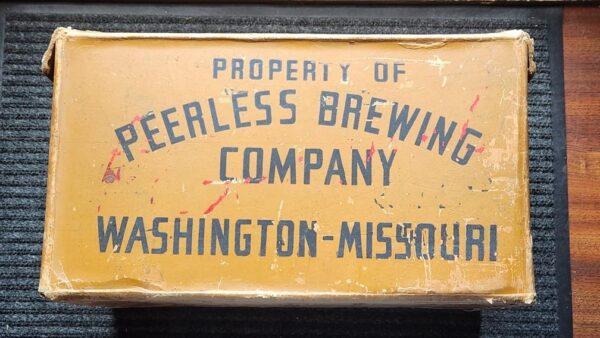
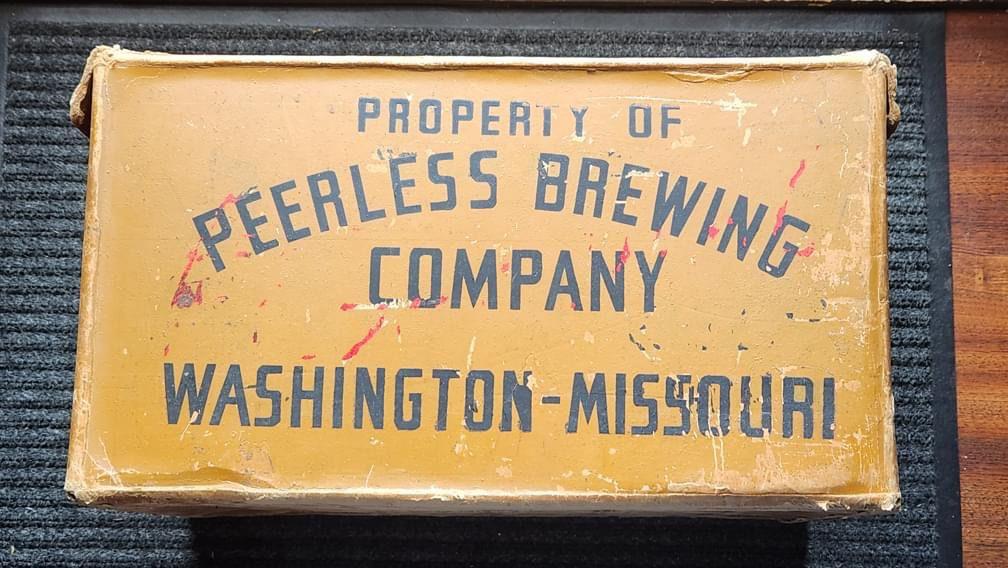
Here is a tough to find post prohibition brewery beer box from the Peerless Brewery in Washington, MO, just outside St. Louis. Cardboard boxes of this era are generally difficult to find as they were simply not as durable as their wooden counterparts.